"I just signed today and picked up lot 45." That line, posted on a boating forum by a new Havasu Riviera buyer working through the community's due diligence window, captures how most people describe this purchase to friends. They bought a lot. What they actually signed onto is a design review system that will decide, lot by lot, what gets built on the hillside above the marina for years to come.
Ask a Havasu Riviera lot buyer what they checked before writing an offer and most will mention the HOA due, which runs $140 to $180 a month depending on which of the community's neighborhoods the lot sits in. That's a real number, and it's worth confirming. But it's the smallest number in the file. The ones that actually shape what you can build, when you have to build it, and who still controls the rules while you're building it, live in the tract declaration and the Design Review Committee packet, not the fee schedule.
The lot you buy is inside a document you don't
Havasu Riviera isn't governed by one flat rulebook. There's a master association, the Riviera Lake Havasu Community Association, that runs the entry gate, security, common landscaping, and shared trails. Then each neighborhood inside the gate carries its own tract declaration, which can layer on separate covenants, its own assessments, and its own design character depending on how much common area, street type, and amenity that specific pocket has.
That structure matters because "Havasu Riviera" isn't one product. It's eight neighborhoods at different stages, with different personalities baked into their declarations.
| Neighborhood | What the record shows | Character |
|---|---|---|
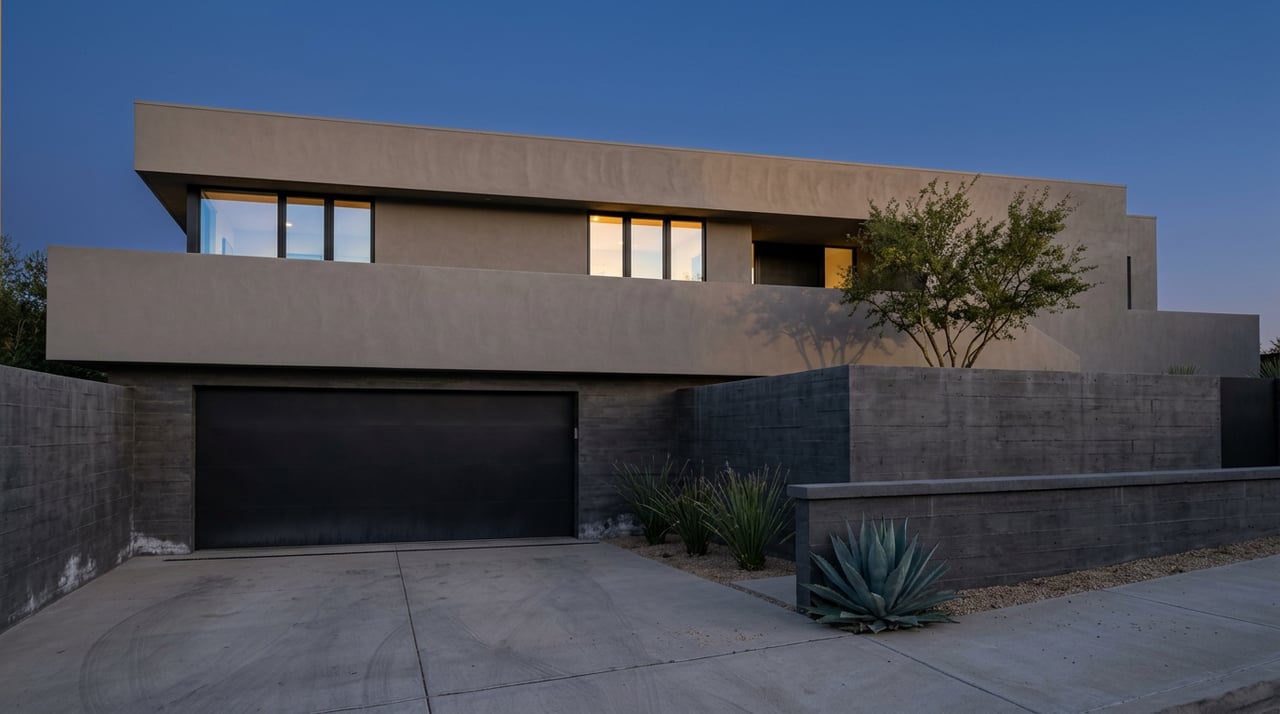
| Marina View | One of the first three neighborhoods completed, with a "Desert contemporary style" design guideline and its own design review committee | Closest to the launch ramp and marina |
| Wren Cove | Completed early; known for larger combined lots backing to natural desert wash | Privacy-oriented, walk-out topography |
| The Ridge | Completed early; elevated "top row" lots were already selling ahead of the community's full build-out | Panoramic lake and mountain views |
| Black Rock | Under construction as of the developer's 2023 reporting | Mid-phase neighborhood |
| Flat Irons | Under construction in 2023, now home to completed custom builds | Recent delivery, active building |
| Sixty-Seven | Described by listings as the community's newest development | Highest, most recently released lots |
| Solitude | Named among the eight platted neighborhoods | Later-phase, less built-out record |
| The Pinnacle | Named among the eight platted neighborhoods in the community's own trademark filings | Build-out status not independently reported |
A buyer comparing "Havasu Riviera" lots as if they're one line item is comparing a neighborhood that's finished construction against one that's still working through its zoning. That gap changes what you can expect from timelines, from noise and dust during your build, and from how firm the design rules actually are on the ground versus on paper.
What the Design Review Committee actually asks for
Buying an approved lot with plans "included" sounds like a shortcut. It can be, but the shortcut still runs through the Design Review Committee, and the packet is not a formality. The community's published design review guidelines call for a submission that includes civil grading and drainage plans stamped by a registered engineer, floor plans and exterior elevations that tie both the building setback lines and the maximum building height line to the lot's actual pad elevation, a roof plan at a specified scale showing every structure on the site, and a separate sample wall review for exterior materials and colors. Field changes after approval require their own written request explaining what changed and why.
That level of detail explains why setbacks in the brochure ("front 20 feet, rear 15 feet, sides 5 feet") are only a starting point. The community's own FAQ is direct about this: the approved lot exhibit and the design guidelines for each neighborhood define the actual setbacks lot by lot, and general figures don't override what's stamped on your specific pad.
If you plan to bring your own builder rather than one of the names already active in the community, that's allowed, as long as the builder is licensed in Arizona and in good standing. But the FAQ is equally direct that the builder still has to apply to the Design Review Committee and follow the design guidelines. Buying land doesn't buy you out of the process. It just changes who's holding the pen.
The clock nobody mentions at the sales trailer
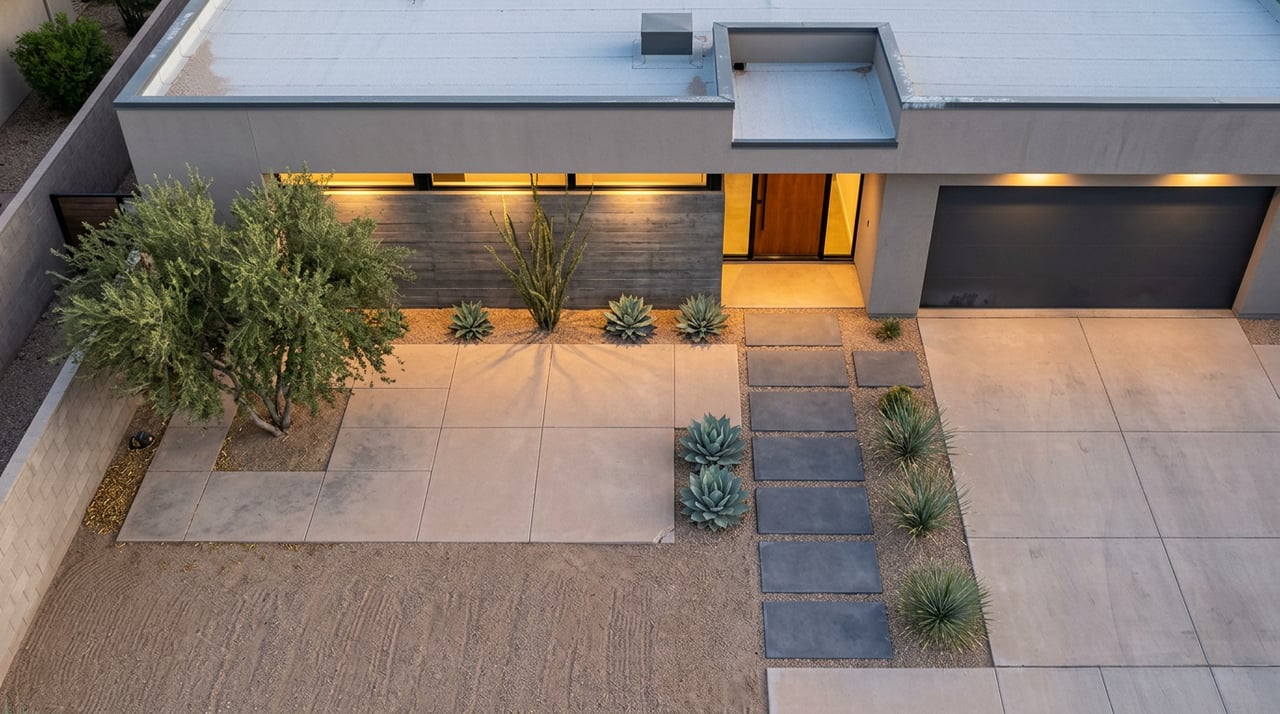
Here's the number that catches lot buyers off guard more than any fee schedule: if you don't start construction within one year of closing, the design guidelines require you to cover the lot in decorative landscape gravel and keep it free of weeds and debris. There's no hard deadline forcing you to build. There's a hard deadline forcing you to maintain the lot like everyone else's front yard, whether or not your plans, financing, or contractor are ready.
For a buyer who bought a view lot with the idea of "building when the time is right," that one-year maintenance trigger is worth pricing into the decision now, not discovering it after the anniversary of closing.
Who's actually still holding the pen
The most consequential fact in a Havasu Riviera purchase isn't in the marketing copy. It's in the declaration itself: control of the community association stays with the developer until the earlier of the date it no longer owns a lot or tract in the project, or December 31, 2084, unless the developer voluntarily records an instrument ending its control sooner. In practice, that means the entity that wrote the design guidelines is still the entity that can revise them, for as long as it holds inventory.
That's not a hypothetical. It's already happened. In May 2025, the Lake Havasu City Council approved a revised development plan for Havasu Riviera that dropped a 60-foot height exemption from an earlier version of the plan, a change the council itself discussed with some hesitation before signing off. Around the same time, the developer asked the city to convert a planned 17-townhome project on 2.3 acres, originally slated for the Marina View neighborhood, into a smaller gated pocket of 8 single-family lots instead.
Neither change happened because a homeowner asked for it. Both happened because the entity still steering the master plan decided the product mix or the height allowance needed to shift. If you own, or are about to own, a lot near a parcel the developer hasn't finished platting yet, that's the mechanism that can change your view corridor, your neighbor's home type, or your assessment pool, years after your own closing.
None of this is unique to bad actors. It's how a master-planned community under active build-out is supposed to work. The zoning history bears that out: the city approved the original Havasu Riviera specific plan back in 2008, updated its general land use map in 2016, and the developer was still requesting rezones for the community's last five neighborhoods as recently as a few years ago. A project with an eighteen-plus year zoning history and a declarant control clause running to 2084 is not a finished rulebook. It's a live one.
What this actually means before you write an offer
If you're seriously considering a Havasu Riviera lot, the HOA fee comparison is a five-minute exercise. The work that actually protects you takes longer:
- Ask which tract declaration governs your specific lot, not just the master association's rules, and read the neighborhood-specific assessments and design guidelines that come with it.
- Request the current design review submission checklist and confirm your intended builder, in-house or outside, has a plan for meeting the pad-elevation-tied height and setback requirements before you're under contract for construction.
- Confirm today's maximum height and setback allowances for your lot in writing. The community has revised these once already at the city level, and a brochure figure from even a year ago may not match what's currently approved.
- Calendar the one-year build clock from your closing date, and have a real plan for either breaking ground or maintaining a graveled lot before that date arrives.
- Ask how many of the eight neighborhoods are still under declarant control and whether any adjacent, unbuilt parcels near your lot could still change product type or density.
None of this makes Havasu Riviera a harder buy. It makes it a buy that rewards the kind of homework most people skip because the sales conversation understandably centers on the view, the marina, and the RV garage. Those are real strengths of the community. They're just not the whole file.
If you're weighing a homesite here against a finished home elsewhere on the south side of the lake, or want a second read on a specific lot's design packet before you sign, REALTOR® DJ can walk through the tract declaration and current design guidelines with you and help you understand exactly what you're building into, backed by Keller Williams broker support. Schedule a free consultation before you write the offer, not after.
FAQ
Can I use my own builder in Havasu Riviera, or am I locked into the developer's list? You can bring your own builder as long as they're licensed in Arizona and in good standing. That builder still has to apply to the Design Review Committee and follow the community's design guidelines, the same as any builder already active in the community.
What happens if I buy a lot and don't build right away? There's no requirement to start construction by a specific date, but if you haven't started within one year of purchase, the design guidelines require you to cover the lot in decorative landscape gravel and keep it maintained and weed-free until you do build.
Are HOA dues the same across all of Havasu Riviera? No. Dues currently range from $140 to $180 a month depending on which neighborhood your lot is in, since each neighborhood carries its own tract declaration and assessment structure layered on top of the master association's dues.