Dreaming about a vacation home where waterfront views, walkable entertainment, and resort-like energy all come together? The Island and Downtown Channel area in Lake Havasu City stand out for exactly that reason. If you are thinking about buying a second home here, you need more than a pretty view. You need a clear plan for financing, ownership costs, rental rules, and long-term upkeep. Let’s dive in.
Why The Island Stands Out
The Island, also known as Pittsburg Point Island, offers a distinct setting within Lake Havasu City. City planning documents identify it and much of the shoreline as tourism-based areas, while downtown serves as the urban core for both visitors and full-time residents. At the same time, the Island has developed into residential neighborhoods with single-family homes at varying densities.
That mix is a big part of the appeal. You get a location tied closely to Lake Havasu’s waterfront lifestyle, but you are not just buying into a vacation scene. You are also buying into an established residential area with ongoing growth expected over the next 5 to 10 years.
Waterfront Access Shapes Daily Life
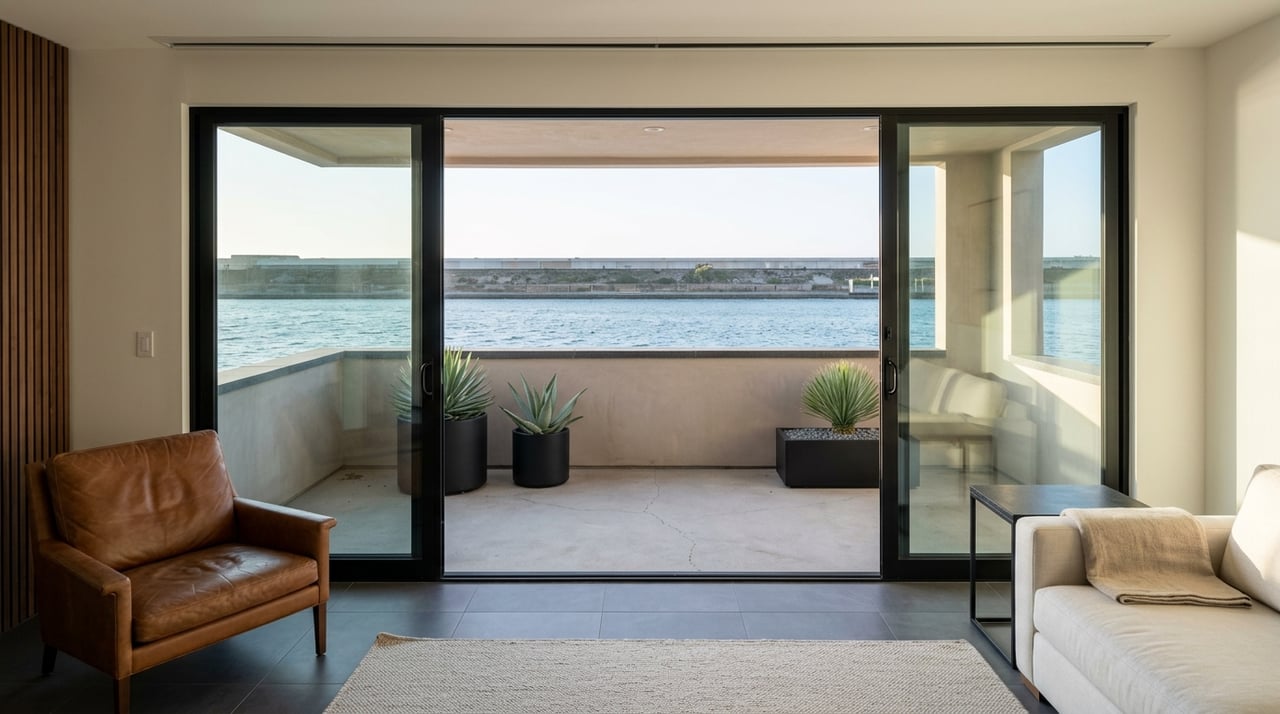
Bridgewater Channel is one of the area’s defining features. City documents describe it as part of the Colorado River and Lake Havasu, and public amenities around it make the waterfront feel central to everyday living. London Bridge Beach includes walking paths, a buoyed swim area, and parking that serves the island side of the channel.
Grand Island Park adds another lifestyle benefit with its 3.6-mile paved Island Jogging Path around the interior of the Island. If your idea of a second home includes early walks, time on the water, and easy access to nearby activity, this area checks those boxes in a very real way.
Why Buyers Choose The Island
A vacation home on The Island often appeals to buyers who want both prestige and convenience. The setting feels special because you are close to the water, near one of Lake Havasu City’s best-known landmarks, and positioned near dining, recreation, and downtown activity.
For many buyers, the value is not just the home itself. It is the ability to lock in a property in a location that combines scenic appeal, year-round usability, and a walkable waterfront environment that is hard to duplicate elsewhere in the city.
Year-Round Use Matters
If you plan to finance the home as a second home, year-round livability is important. Fannie Mae says a second home must be a one-unit dwelling, suitable for year-round occupancy, occupied by you for some part of the year, and under your exclusive control. It also cannot function as a rental property or timeshare arrangement for qualifying purposes.
That matters because some buyers assume a vacation home can automatically double as an income property. In practice, the financing and occupancy rules can be much more specific, so it is smart to match your purchase strategy to how you actually plan to use the property.
Financing a Vacation Home Here
Buying a second home usually requires a little more financial preparation than buying a primary residence. Fannie Mae requires at least two months of reserves for second-home transactions, and buyers with multiple financed properties may need even more. That means cash on hand matters, not just your down payment.
It is also important to compare lenders carefully. The CFPB recommends getting multiple Loan Estimates for the same loan features and giving lenders accurate details on expected property taxes and any HOA or condo dues. That helps you compare real monthly costs instead of overly optimistic estimates.
Property Type Can Change the Math
In this part of Lake Havasu City, some buyers will look at single-family homes, while others may consider properties with HOA or condo-style ownership. If that is your plan, know that lenders may look closely at dues, insurance, reserves, and whether the property meets second-home eligibility guidelines.
That is why your purchase decision should go beyond the list price. A home that looks attractive upfront may carry a very different monthly cost once dues, insurance, taxes, and reserve requirements are added in.
Rental Rules to Verify Early
One of the most common questions is simple: can you rent the home when you are not using it? In Lake Havasu City, the answer depends on how you plan to rent it and what rules apply to that property.
Lake Havasu City requires short-term rental owners to register and obtain a permit for each property before offering it for rent. The city says the annual non-refundable permit fee is $250 per property, and short-term rentals must comply with local rules on trash, noise, parking, disorderly conduct, and related nuisance issues.
Short-Term vs. Long-Term Rentals
Arizona’s Department of Revenue says short-term residential rentals are stays of less than 30 days, and those stays are subject to Arizona transaction privilege tax. The state also notes that owners or operators may need a city business license and must include the TPT license number in advertising.
For rentals of 30 days or more, the tax treatment is different. ADOR says city TPT on residential rental income ended for periods beginning January 1, 2025, but transient lodging under 30 days remains taxable. If rental flexibility matters to you, confirm the city rules, tax treatment, and any HOA restrictions before you write an offer.
HOA Review Is Still Essential
The city is clear that it does not enforce HOA rules. That means even if a property is located in an area where short-term rentals are allowed by city code, the HOA may still have its own restrictions.
Before you move forward, review the HOA documents carefully. Pay close attention to occupancy rules, rental minimums, parking requirements, exterior standards, and any approval process that could affect how you use the property.
The Real Cost of Ownership
In a market like The Island, your true monthly cost goes well beyond the mortgage payment. You should budget for property taxes, insurance, HOA dues if applicable, water and sewer costs, and routine maintenance tied to a second home that may sit vacant for part of the year.
Mohave County also notes that owner-occupied primary residences may qualify for State Aid to Education, which reduces taxes in a way that does not apply to a vacation home. That is one more reason not to estimate taxes based on a primary-home scenario.
Heat Changes Ownership Planning
Lake Havasu City’s climate is a major factor. NOAA normals show average highs above 100 degrees from June through September, including 105.1 in June, 109.3 in July, 108.1 in August, and 101.9 in September. In a second home, that kind of heat makes reliable HVAC, routine inspections, and vacancy monitoring essential.
If you are not in town full time, you will want a plan for:
- HVAC servicing
- Pool upkeep if the home has one
- Pest control
- Exterior inspections
- Leak checks
- Mechanical-system monitoring during vacant periods
These are not minor details in this market. They are part of responsible ownership.
Water and Utility Responsibilities
Lake Havasu City says homeowners are responsible for maintaining certain portions of water and sewer service laterals that run through their property. The city also requires pressure regulators because water pressure entering a home should stay below 60 PSI to help avoid leaks and excess use.
That may not sound glamorous, but it matters. For a vacation home, even a small unnoticed leak can become a costly problem if the property sits empty for stretches of time.
Conservation Is Part of Smart Ownership
The city says water conservation remains a priority and ties future planning to Colorado River supply conditions and drought risk. It has also reported a significant reduction in per-capita water consumption since 1998.
For you, that makes water-wise ownership a practical decision. Xeriscape-style landscaping, efficient irrigation, and leak monitoring can help control costs and reduce avoidable issues over time.
What to Check Before You Make an Offer
A great location does not remove the need for careful due diligence. In fact, in a waterfront-oriented micro-market like this one, your pre-offer checklist becomes even more important.
Here are the key items to verify early:
- Whether the property fits second-home lending rules
- HOA rules on rentals, parking, and exterior changes
- Floodplain status
- Expected property taxes and any special costs
- Title history and ownership details
- Permit needs for future renovations or additions
Floodplain and Permit Issues
If you plan to renovate, expand, or make exterior changes, Lake Havasu City requires building permits. Work in certain areas may also require a separate flood plain development permit, and the city’s process asks for details like the FIRM panel number, base flood elevation, and supporting documents for work in the floodway or 100-year flood plain.
This is important for buyers who see a vacation home as a future customization project. Before closing, confirm what improvements are allowed and what approvals may be required.
Title and Recording Details
Mohave County’s Recorder says Arizona property sales require a fully completed Affidavit of Property Value or an exemption number. The Recorder also warns that its records search does not guarantee a property is free and clear of liens, and it recommends title insurance and working with a title company or attorney for ownership questions.
That makes title review a must, not a formality. For a second-home purchase, you want a clean understanding of what you are buying and whether any unresolved issues could affect ownership or resale.
Resale Still Matters on a Vacation Home
Even if you plan to enjoy the home for years, resale should still be part of your buying strategy. City planning documents describe the Island and shoreline as tourism-based and resort-oriented areas, while also noting residential growth and broader city growth through 2040.
That suggests future buyers may continue to value homes that are easy to use, easy to maintain, and easy to understand from a rules and cost standpoint. Properties with clear compliance, manageable upkeep, and flexible year-round appeal may attract a broader pool of future buyers than homes with heavy deferred maintenance or complicated restrictions.
Is The Island Right for Your Second Home?
If you want waterfront prestige, walkable access to the Downtown Channel area, and a location that blends lifestyle with long-term appeal, The Island deserves a serious look. But the smartest purchase is not just about finding the right view. It is about choosing a property that fits your financing profile, your ownership style, and your comfort level with maintenance and local rules.
When you buy with a clear plan, a vacation home here can offer far more than a place to visit. It can become a reliable retreat, a practical long-term asset, and a lifestyle upgrade you actually enjoy using.
If you want expert guidance on evaluating lifestyle, costs, and property fit with a concierge approach, schedule a free consultation with REALTOR® DJ.
FAQs
What makes The Island in Lake Havasu City appealing for a vacation home?
- The Island combines waterfront surroundings, access to Bridgewater Channel, nearby public paths and parks, and close proximity to downtown activity in a setting that also includes established residential neighborhoods.
What qualifies as a second home for financing in Lake Havasu City?
- For conventional financing, Fannie Mae says a second home must be a one-unit dwelling that you occupy for part of the year, is suitable for year-round use, remains under your exclusive control, and is not used as a rental property or timeshare for qualifying purposes.
Can you short-term rent a vacation home on The Island in Lake Havasu City?
- Yes, but Lake Havasu City requires a short-term rental permit before the property is offered for rent, and the property must comply with local rules on issues like noise, parking, trash, and nuisance behavior.
How are short-term rentals taxed in Lake Havasu City, AZ?
- Arizona says short-term residential rentals of less than 30 days are subject to transaction privilege tax, while rentals of 30 days or more are treated differently and city TPT on residential rental income no longer applies for periods beginning January 1, 2025.
What costs should you budget for a vacation home on The Island?
- Beyond the mortgage, plan for property taxes, insurance, HOA dues if applicable, water and sewer costs, maintenance, HVAC servicing, leak prevention, and any permit or tax compliance costs tied to rental use.
What should you verify before buying a vacation home near Downtown Channel?
- Confirm second-home loan eligibility, HOA restrictions, floodplain status, expected taxes, title details, and any permit requirements for future exterior changes, additions, or renovations.
How does Lake Havasu City’s climate affect vacation-home ownership?
- With average highs above 100 degrees from June through September, you should expect higher attention to HVAC performance, vacancy checks, pest control, pool care, and routine inspections to protect the property.
Does a vacation home in Mohave County get the same property tax treatment as a primary residence?
- No. Mohave County says owner-occupied primary residences may qualify for State Aid to Education, and that reduction does not apply to a vacation home.