Looking for that rare mix of private dock access, buzzing boardwalk energy, and sunset views by the London Bridge? If you love being on the water and walking to restaurants, marinas, and shops, The Island and Downtown Channel in Lake Havasu City sit at the center of it all. In this guide, you’ll learn how to choose the right property type, verify dock or slip rights, navigate short‑term rental permits, and set up smart financing and inspections. Let’s dive in.
Why buy on The Island and Channel
The Island and Bridgewater Channel area is Lake Havasu’s historic waterfront core with the city’s highest concentration of marinas, boat launches, restaurants, and visitor amenities. You can stroll the English Village, enjoy London Bridge Beach, and be minutes from slips and fuel. The official visitor center highlights this hub as the heart of the waterfront experience.
For market context, the Lake Havasu City median sale price sat around $449,000 as of January 2026, but island and canal‑front listings often command a higher premium. Use this as a starting point and compare recent comps for your exact frontage and features. You can follow the latest citywide snapshot on Redfin’s Lake Havasu City market page.
What you can buy here
Condos and resort‑style communities
You’ll see waterfront and near‑water condo complexes with shared amenities like pools, private beaches, and some form of owner mooring or slip access. Listings in communities such as the Isles have advertised exclusive‑use beaches and overnight boat mooring, but details vary by association. Always confirm how slips are assigned and transferred by reviewing recorded documents and HOA rules; see an example Isles listing with owner mooring noted.
Townhomes and gated pockets
Many townhome communities are designed for second‑home use. Some HOAs restrict short‑term rentals, guest parking, or boat trailer storage. Plan to review CC&Rs, rules, and recent meeting minutes during your option period.
Single‑family canal and inland homes
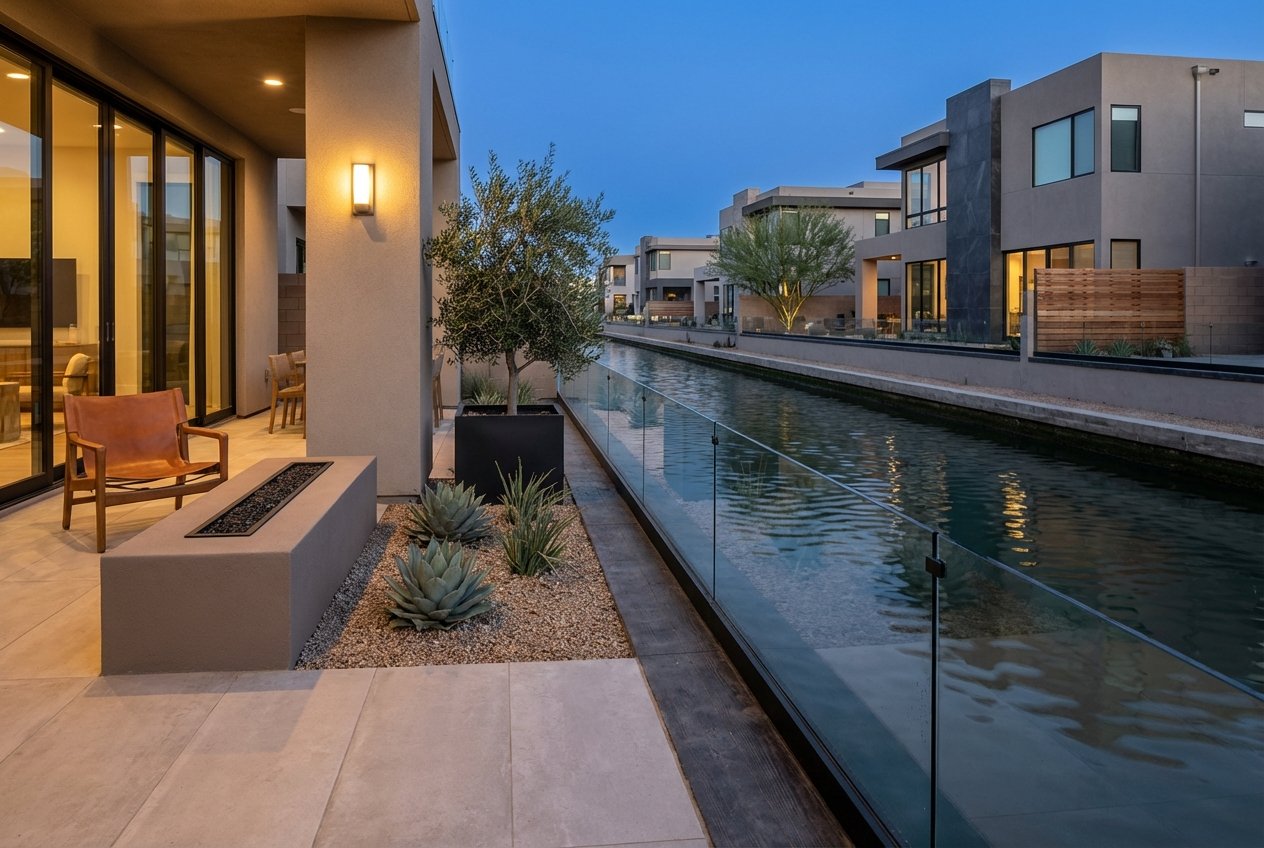
On‑water properties may include canal frontage with a private dock, seawall, or boathouse. Inland homes near the Channel trade private slips for walkability and quick access to launches and marinas. Valuation depends heavily on water access, dock condition, and proximity to the Bridge and boardwalk.
Boat access: docks, slips, and marinas
Deeded vs licensed slip rights
“Boat included” language can be misleading if the right depends on an HOA allocation or a separate marina lease. Verify whether slip or mooring rights are deeded, licensed, HOA‑controlled, or leased, then obtain the recorded instrument or contract that proves transfer on sale. When in doubt, ask title for the plat, easements, and any recorded shoreline agreements.
Marinas and launch options
Lake Havasu Marina offers full‑service slips, fuel, and pump‑outs near the Island. Policies differ on covered vs uncovered slips, maximum vessel length, and waitlists, so confirm details directly with the operator. Start with the Lake Havasu Marina overview for general services and contact info.
For trailering, the island’s public Site Six Launch Ramp and nearby beaches offer day use and courtesy docking. These public options add flexibility if you do not own a private slip. See a snapshot of Site Six Launch Ramp for location context.
Key checks for boating convenience
- Confirm dock permits and whether they transfer with the sale.
- Ask for recent water‑depth readings at the dock entrance, plus seasonal ranges.
- Verify slip size, max vessel LOA, and any marina membership or waiting list.
Short‑term rentals and HOA rules
If you plan to rent your home when you are not using it, Lake Havasu City requires a Vacation Rental Permit for each short‑term rental, along with an Arizona TPT license. The city also requires neighbor notifications, an emergency local contact, and compliance with noise and trash standards, plus an annual permit fee that the city lists at $250. Review the current process and forms on the Lake Havasu City vacation rental portal.
Equally important, HOAs can prohibit or limit STRs even if the city issues a permit. The city does not enforce HOA rules, so you must review CC&Rs, bylaws, rules, and minutes during your contract period. Build a contingency to exit if community rules conflict with your plan.
Financing and occupancy strategy
How you intend to use the property affects your loan options and down payment. Lenders classify homes as primary residence, second home, or investment, and each category has different underwriting standards and reserve requirements. For definitions and reporting standards around occupancy, see the CFPB’s official guidance.
If you plan to use FHA, know that owner occupancy within 60 days is standard, and many scenarios expect a year of occupancy before converting to rental; check current rules with your lender and the HUD FHA resource page. Conventional second‑home loans commonly allow higher loan‑to‑value than investment loans, yet they often require 10 to 20 percent down. Investment loans usually require 15 to 25 percent down plus added reserves; see program‑level ranges summarized by this conventional loan overview, then verify specifics with your lender.
Appraisal, inspections, and insurance
Waterfront value hinges on comparable frontage and features. Appraisals weigh private docks, seawalls, and direct channel access heavily, so plan for careful comp selection and possible adjustments if your home has unique attributes. For a primer on how waterfront features drive value, review this waterfront appraisal insight.
Go beyond a standard home inspection. Add:
- A dock and boat‑lift inspection by a marine contractor.
- A seawall or bulkhead assessment for undermining or cracking.
- A current survey that shows property lines, water boundaries, and any shoreline easements.
- Termite/WDI and moisture checks, plus roof and HVAC service records.
If the property lies in a mapped flood zone, lenders will require flood insurance. Standard homeowners policies exclude flood losses, so request an elevation certificate if needed and compare NFIP and private flood quotes. Insure docks and lifts specifically; some policies exclude those without endorsements.
Price context and how to compare
- Start with the citywide median on Redfin’s market page, then adjust for water frontage, dock condition, and walkability to the Bridge and Channel.
- Expect premiums for canal frontage, deeded slips, and turn‑key seawalls.
- Compare HOA fees, slip costs, and whether a slip right is guaranteed or waitlisted.
Due‑diligence checklist for buyers
Use this quick list to keep your offer strong and protected:
- Verify how boat access is granted: deeded slip, recorded easement, HOA allocation, or marina lease. Obtain the actual recorded or contractual document.
- Request a title commitment and recent survey; review all shoreline and access easements.
- Order specialist inspections early: dock, lift, seawall, termite/WDI, and moisture.
- Ask for permits and maintenance records for dock, seawall, and shoreline work.
- If renting short term, confirm the city STR permit process and all HOA rental rules.
- Confirm utilities and any septic versus city sewer details with the seller and city.
Ready to explore the Island lifestyle?
Buying on The Island or along the Downtown Channel is about more than a great view. The right homework on dock rights, STR rules, and inspections will protect your time on the water for years to come. If you want a clear plan for comparing properties and negotiating with confidence, connect with REALTOR® DJ for a friendly, no‑pressure consultation.
FAQs
What is “The Island” and the Bridgewater Channel in Lake Havasu?
- The Island and Channel area is the historic waterfront core around the London Bridge with the English Village, beach access, shops, marinas, and launch points; see the visitor center overview for context.
How do short‑term rental permits work in Lake Havasu City?
- You need a city Vacation Rental Permit plus an Arizona TPT license, neighbor notices, a local contact, and compliance with operating standards; start on the city’s official STR page.
How do I verify a deeded boat slip or mooring right when buying?
- Ask for the recorded deed, plat, easement, or HOA allocation document that shows the right and whether it transfers at closing; do not rely on marketing language alone.
Which marinas and ramps serve the Island and Channel area?
- Lake Havasu Marina provides full‑service slips, fuel, and pump‑outs, and Site Six offers public launching and day use; check the marina overview and Site Six details.
What inspections are essential for waterfront homes near the Channel?
- Add dock, lift, and seawall evaluations plus a current survey and moisture/WDI checks; see this waterfront inspection guide for what pros look for.