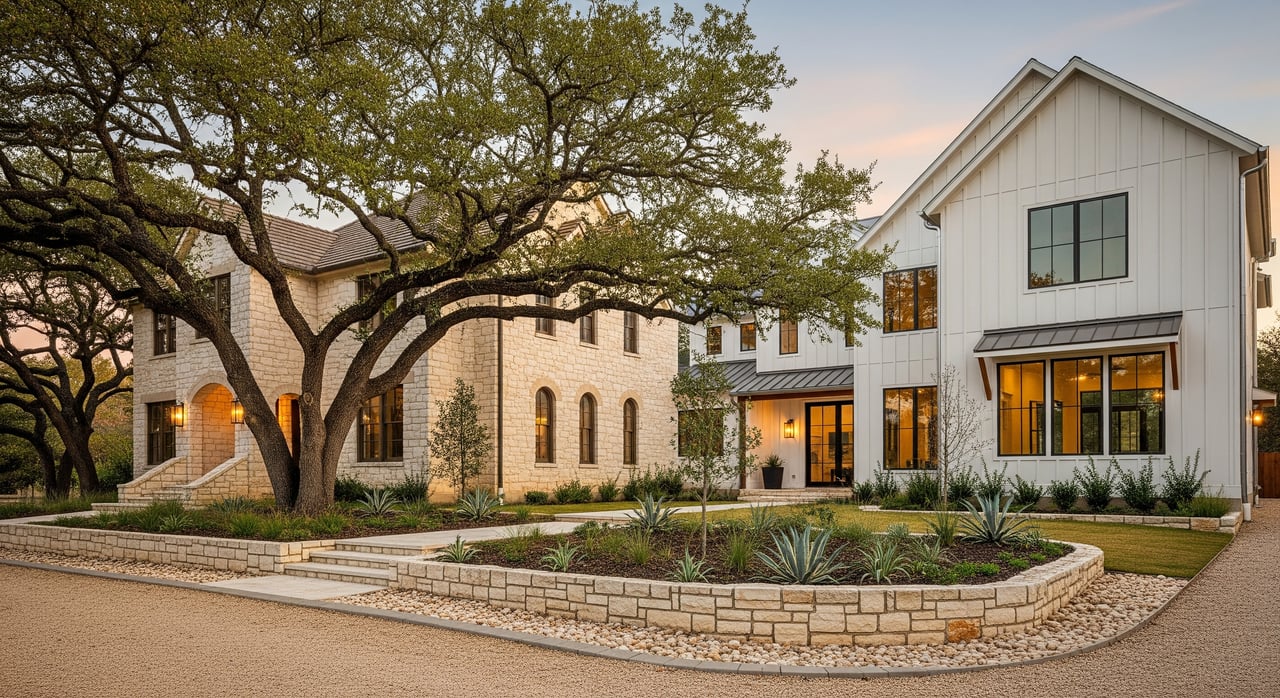
Should you buy a brand‑new home or a resale in Georgetown? It is a common question, especially when you see cranes and model homes on one side of town and tree‑lined streets on the other. You want the right fit for your lifestyle, timeline, and budget without surprises.
In this guide, you will get a clear, local comparison that covers cost, timing, customization, taxes, inspections, warranties, and neighborhood factors specific to Georgetown and Williamson County. You will also get practical checklists to help you move forward with confidence.
Let’s dive in.
Georgetown market snapshot
Georgetown continues to grow as an exurban hub north of Austin. You will find a mix of historic downtown homes, master‑planned communities, active‑adult neighborhoods, and new subdivisions on the edge of town. Buyers often weigh commute routes to Austin, school boundaries within Georgetown ISD, lot sizes, and the balance between price and amenities.
New construction activity is strong, with communities adding phases over time. The resale market ranges from classic homes near the Square to mid‑age homes and resales inside master‑planned neighborhoods. Your decision often comes down to total monthly cost, timeline, and how much customization or move‑in readiness you want.
New vs. resale: total cost
When you compare options, focus on total monthly housing cost, not just list price. That means mortgage, property taxes, HOA dues, and any special district taxes.
Price and value
- New homes usually carry a price‑per‑square‑foot premium due to modern finishes, lot premiums, and builder margins.
- Resale homes may offer more room for negotiation, depending on supply and demand.
- Resale value can be driven by lot size, mature trees, proximity to downtown, and unique character.
Taxes, MUDs, and fees
- Many new subdivisions in Texas use special districts, often Municipal Utility Districts, that add ongoing taxes. These affect your monthly budget and long‑term affordability.
- New homes can have tax timing quirks as districts and assessments phase in. Confirm current rates and projections.
- HOAs are common in new developments and may include design covenants and fees. Older areas may have fewer restrictions or none.
Maintenance and operating cost
- New construction typically offers lower near‑term maintenance and better energy performance due to current building codes, new HVAC systems, and improved insulation.
- Resale homes may require immediate upgrades or system replacements, but mature landscaping, including shade trees, can help with cooling costs.
Timing and certainty
Build and move-in timeline
- New construction varies: a quick‑move‑in spec home can be ready in a few months, while a full build can take 6 to 12 months or more. Weather, permits, inspections, and supply chains can cause delays.
- Resale homes typically close in 30 to 60 days when financing and title are straightforward.
If you have a firm deadline, resale often offers more predictability. If you have flexibility and want new finishes, new construction can be worth the wait.
Customization and lifestyle
Personalization with new construction
If you enter early in the build cycle, you can choose floor plans, finishes, and some structural options. This is a big draw for buyers who want a home that reflects their style. Keep in mind that builder upgrade packages can add up quickly, so ask for a written list of what is included versus what is an upgrade.
Character with resale
Resale homes offer established charm, unique architecture, and mature yards. You can remodel to suit your taste, but factor in permits, timelines, and costs. You may be able to negotiate price credits for needed updates as part of your offer.
Condition, efficiency, and warranties
Energy performance
New homes are built to current code cycles, which usually means better insulation, high‑efficiency HVAC, and options like tankless water heaters and upgraded windows. That can reduce operating costs from day one.
Maintenance needs
Resale homes can come with deferred maintenance or older mechanical systems. Budget for repairs or replacements in the first few years. The tradeoff is often lot size and neighborhood setting.
Warranties
- Many builders offer limited warranties, commonly a 1‑year workmanship warranty, 2‑year systems coverage, and a 10‑year structural warranty. Terms vary, so review the documents in detail.
- Resale homes generally do not include builder warranties unless something is transferable. Your protection comes from inspections and seller disclosures.
Neighborhood maturity and amenities
New communities
Planned amenities like pools, clubhouses, and trails can be a big plus, but these features sometimes arrive in later phases. Retail and restaurants can lag behind rooftops, so consider how you will live in the area for the first few years.
Established areas
Tree canopy, built‑out amenities, and known traffic patterns are established in older neighborhoods. Proximity to downtown, parks, and services is already proven, which often supports resale appeal.
Resale competitiveness and value stability
Early resale risk in new communities
In areas with many new builds, first‑year owners can face pressure from brand‑new listings nearby. This can create short‑term resale headwinds until the community matures. Well‑located homes still hold value, but it is a factor to consider if you might move soon.
Location advantages for resale
Homes closer to downtown, near established services, or within certain attendance boundaries can see consistent demand. The key is how the home stacks up in location, lot, and character, not just the age of the property.
Lot, orientation, and environment
Lot size and orientation
New subdivisions sometimes offer smaller lots with a consistent streetscape. Older areas may provide larger yards and mature trees, along with more landscape maintenance. Orientation, sun exposure, and privacy are worth weighing in either case.
Floodplain and drainage
Before you commit, confirm floodplain status and drainage patterns using local maps and city resources. Lot elevation and local drainage impact insurance, livability, and future improvements.
Financing, appraisals, and inspections
Financing differences
New construction can involve builder‑preferred lenders with incentives. Compare rates and fees to independent lenders so you know the true cost.
For custom builds, construction‑to‑permanent loans use phased draws and come with more fees and complexity.
With longer build times, interest rate movement matters. Some builders offer rate locks or buydowns. Read terms carefully and ask about timelines.
Resale purchases typically use standard conventional, FHA, VA, or USDA financing, depending on your qualifications and goals.
Appraisals and valuation
- New builds rely on comparable sales. In fast‑changing areas with limited comps, appraisals can come in below contract price. Buyers might need to cover gaps in cash, adjust upgrades, or renegotiate.
- Resale appraisals use recent neighborhood closings and can be more predictable when there are ample comps.
Inspections and due diligence
- New construction: schedule phased inspections, such as pre‑drywall, mechanical rough‑in, and a final walk‑through. Clarify how punch‑list items will be addressed and the response time for warranty work.
- Resale: order a general home inspection and add specialists as needed, such as roof, foundation, pest, HVAC, or a sewer scope. Use disclosures and any permit history to understand past work.
Contracts, incentives, and fees
Builder contracts
Builder agreements often differ from standard residential contracts. Watch for arbitration clauses, limited options to negotiate certain terms, warranty procedures, and financing contingency language. Have an experienced agent review the specifics so you know your rights and timelines.
Incentives and concessions
Builders may offer closing cost help, upgrade credits, rate buydowns, or discounts on quick‑move‑in homes. These are often time‑limited and conditional. Resale sellers may offer price adjustments, closing cost credits, or interest rate buydowns depending on the market.
Closing costs and extras
For new builds, account for lot premiums, community development or impact fees, initial HOA setup costs, and utility connection fees. For resale, consider standard closing costs plus any negotiated repairs or credits.
Insurance and taxes
Newer homes can sometimes cost less to insure due to new systems. Property taxes are based on appraised value, and special district taxes can raise the total bill. Always confirm the current rates and whether any special districts apply.
Practical checklists
Buyer checklist: new construction
- Confirm lot details, including orientation, elevation, and any future roads or phases.
- Get the builder warranty in writing, including scope and claim process.
- Ask for a written list of included items versus upgrades, such as appliances, landscaping, blinds, and fencing.
- Verify any MUD or special district taxes and projected rates.
- Build phased inspections into your plan, including pre‑drywall and final.
- Clarify the build timeline and what happens if deadlines shift.
- Compare builder‑preferred lender offers against an independent preapproval.
- Review HOA covenants, fees, and the schedule for amenity completion.
Buyer checklist: resale
- Order a full home inspection and add specialists as needed.
- Review seller disclosures and any available permit history.
- Check neighborhood comparables and recent sales to guide your offer.
- Verify school attendance boundaries and local services.
- Budget for immediate upgrades or system replacements you want to tackle soon.
Seller tips when competing with new builds
- Showcase mature landscaping, established amenities, and unique features.
- Make targeted cosmetic updates that deliver strong perceived value.
- Consider buyer incentives, such as closing cost credits or rate buydowns.
- Present transferable warranties or recent upgrades with documentation.
Negotiation tips
- New construction buyers: focus on upgrade packages, closing cost help, and rate buydowns instead of just the list price.
- Resale buyers: use inspection findings to request repairs or credits, and compare total monthly cost against new builds, including taxes, HOA, and special districts.
- Sellers: offer flexible closing timelines, include select appliances or landscaping items, and use targeted allowances to match builder perks.
Which path is right for you?
Choose new construction if you want low maintenance, modern efficiency, and the ability to personalize finishes, and if your timeline can accommodate a longer build. Choose resale if you need to move on a defined schedule, prefer established neighborhoods and mature trees, or want larger lots closer to existing services.
In Georgetown, many buyers narrow choices by commute routes, school boundaries, and monthly cost once taxes and HOA or special district fees are factored in. The best fit is the home that meets your lifestyle needs today while protecting resale potential in the future.
If you want a clear path from short list to closing day, let a local expert manage the details, compare incentives, and negotiate the terms that matter most to you.
Ready to explore Georgetown new builds and resales side by side? Schedule a free consultation with REALTOR® DJ to map your options, compare total costs, and move forward with confidence.
FAQs
What costs should I compare for new vs. resale in Georgetown?
- Compare price, property taxes including any MUD levy, HOA dues, insurance, estimated utilities, maintenance, and any builder or seller incentives that reduce your net payment.
How long does a new home in Georgetown usually take to build?
- Quick‑move‑in homes can be ready in a few months, while a full build often ranges from 6 to 12 months or more depending on weather, materials, and inspections.
Do I still need inspections for a brand‑new home?
- Yes. Schedule phased inspections such as pre‑drywall and a final walk‑through so issues are found early and addressed before closing.
How do appraisals differ for new builds vs. resales?
- New construction appraisals rely on limited comps in developing areas, which can create appraisal gaps. Resale appraisals use recent neighborhood sales and are often more predictable.
Are builder warranties enough protection on a new home?
- Builder warranties provide important coverage, but terms and response times vary. Get the warranty in writing, document issues early, and follow the claim process.
What can resale sellers do to compete with nearby new homes?
- Highlight mature trees and established amenities, make targeted cosmetic updates, and consider offering concessions like closing cost credits or rate buydowns to match builder incentives.